





Spray Coating Application
With the advancement of technology, various coating techniques have been developed for industrial and commercial applications. One such method is spray coating, which has gained significant popularity in recent years. This process is widely used to enhance surface durability, add aesthetic value, and provide protection against environmental factors. At Avind, we use the latest technology in spray coating applications to create high-quality surfaces. In this blog, we will provide detailed information about what spray coating is, its usage areas, structure, application steps, and why you should choose Avind for your spray coating needs.
What is Spray Coating?
Spray coating is a technique used to apply a thin layer of coating material onto a surface. In this process, the coating material, which may be in liquid or powder form, is sprayed onto the surface through a spray device. The material is spread evenly and forms a smooth, uniform layer. This coating is typically applied for aesthetic, protective, or functional purposes. Spray coating is widely used in both industrial and commercial applications to protect materials and extend their lifespan.
Spray coating can be done using various materials, such as paint, ceramics, metals, plastics, or protective coatings. Each of these materials provides different properties to the surface, such as durability, water resistance, heat resistance, or chemical resistance.
Usage Areas of Spray Coating
Spray coating applications span across a wide range of industries. It is used to enhance durability, aesthetics, and functionality for different materials. Below are some of the common usage areas of spray coating:
- Automotive Industry: Spray coating is frequently used in the automotive industry to protect vehicle surfaces from environmental factors, enhance aesthetic appearance, and prevent rust. This technology is especially common for vehicle exteriors and engine parts.
- Construction and Building Materials: In construction, spray coating is used to protect the exterior of buildings by providing water resistance and thermal insulation. Interior surfaces also benefit from aesthetic coatings using spray coating.
- Electronics: In the electronics industry, spray coating is applied to make devices more durable. Waterproof and dust-resistant electronic products are often coated with spray techniques to increase their lifespan.
- Interior Decoration: Spray coating is also used in interior design to apply decorative coatings to furniture and other surfaces. This method helps create both durable and aesthetically pleasing surfaces.
- Food and Pharmaceutical Industry: Machines used in food production and pharmaceutical industries are coated with spray coating for hygienic purposes. These coatings help make surfaces easier to clean and ensure sanitation standards are met.
- Aerospace: Aircraft and other aviation parts are coated using spray coating to make them resistant to extreme temperatures and harsh weather conditions. This helps enhance their longevity and performance.
Structure of Spray Coating
The structure of spray coating can vary depending on the type of material used, the application purpose, and the characteristics of the surface. However, the process generally involves three main components:
- Coating Material: The first component is the material used for coating. This could be liquid paint, powder coating, ceramics, metals, or other chemical compounds. The coating material is formulated to provide the desired properties, such as high durability, water resistance, or heat resistance.
- Binder: A binder or adhesive is used to ensure that the coating material adheres well to the surface. The binder ensures that the coating stays intact and forms a uniform and lasting layer.
- Solvent or Spray System: Solvents are used to turn the coating material into a liquid form, making it easier to spray. Different spray devices ensure the material is applied uniformly across the surface.
The combination of these components directly affects the quality and durability of the spray coating. High-quality materials, the right spray system, and appropriate solvents are essential for achieving successful results.
Spray Coating Application Step by Step
Spray coating is a process that requires careful planning and precise execution. Below are the step-by-step details of how spray coating is applied:
- Surface Preparation: The first step in spray coating is preparing the surface to be coated. This involves cleaning the surface of any dirt, rust, or old coatings. A clean and smooth surface is essential for ensuring that the new coating adheres properly.
- Selection of Coating Material: The next step is selecting the appropriate coating material. Depending on the application and the desired properties, you can choose from a range of materials, such as water-resistant coatings, heat-resistant coatings, or aesthetic coatings.
- Preparation of Coating: The chosen coating material is typically mixed with solvents to achieve the desired consistency. This ensures that the material is easy to apply and that it sprays smoothly from the device.
- Spray Application: During the application stage, the coating material is sprayed onto the surface using a spray device. It is important to spray evenly and maintain a certain distance between the surface and the spray nozzle to ensure a consistent layer.
- Drying and Curing: After the coating has been applied, it is allowed to dry and cure. The curing time varies depending on the material used and can take anywhere from a few hours to a couple of days.
- Final Inspection: Once the coating has fully cured, the surface is inspected for any defects, such as uneven areas, bubbles, or cracks. If any issues are found, corrective measures are taken.
Why Choose Avind for Spray Coating?
Avind is a brand specialized in spray coating applications. With high-quality coating materials, experienced professionals, and the latest equipment, we deliver excellent results for various industrial and commercial surfaces.
Here are some advantages:
- High-Quality Coating Materials: We use only top-quality, durable, and long-lasting materials to ensure the best results for every project.
- Expert Team: The Avind team consists of experienced professionals who are skilled in spray coating applications. Every project is handled with attention to detail and precision.
- Custom Design Solutions: Every client’s needs are unique. That's why we offer tailored solutions and apply spray coating based on your specific requirements.
- Fast and Efficient Application: At Avind, we complete projects quickly and efficiently, ensuring timely delivery without compromising on quality.
If you want to achieve durable, aesthetic, and high-performance surfaces, Avind is the right choice for your spray coating needs. Contact us today to discuss your project, and our expert team will provide the best solutions tailored to your requirements.

Avind News
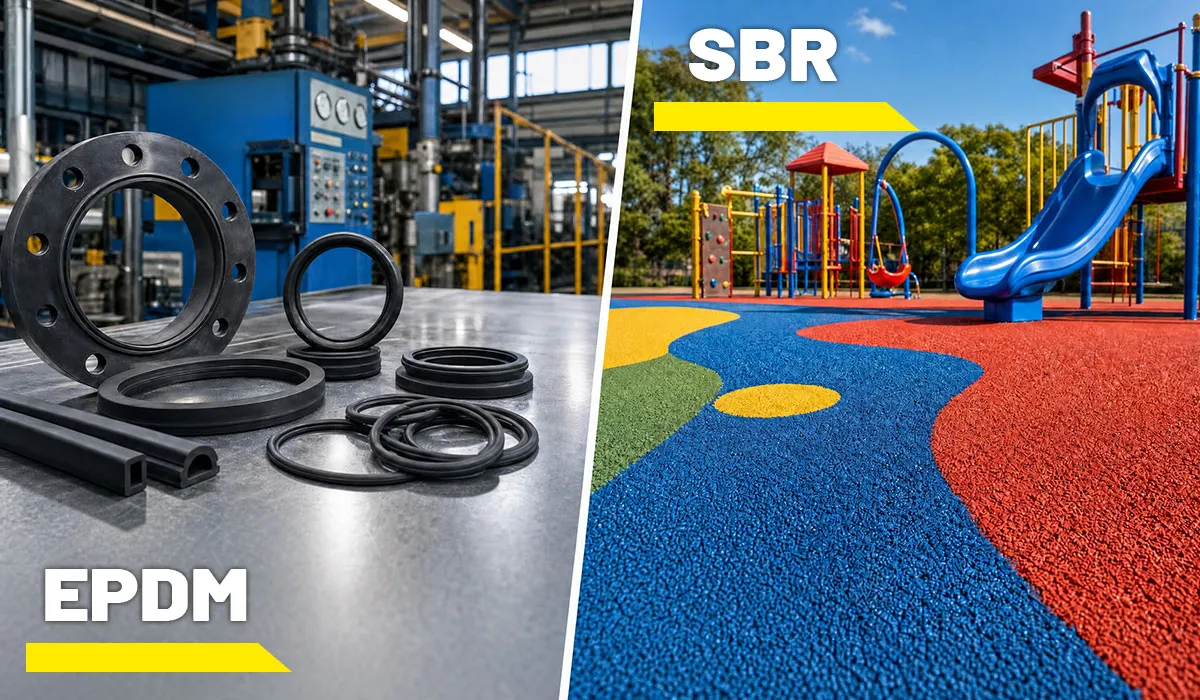
SBR and EPDM look alike in a bucket but behave very differently on site. This guide compares durability, UV resistance, colour retention and cost so you can specify the right rubber granule for your sports facility.

Modern athletics track projects are no longer just about marking lanes on a flat surface. Performance, athlete safety, durability, and long-term maintenance costs all depend on choosing the right surface system. For this reason, athletics track construction requires both technical knowledge and a clear understanding of different track surface technologies.

When it comes to designing and building tennis courts, enthusiasts and professionals alike have a wide array of options to choose from. One of the most beloved surfaces among top-tier players is the clay tennis court, known for its unique playing conditions. If you're considering constructing a clay tennis court, whether for a personal project or as part of a larger sporting facility, this guide will take you through everything you need to know.

Integral Group® has taken the decision to collaborate with former Malian National Team Football Player Samba Sow by signing a brand ambassadorship agreement.