




4 Types of Surfaces Used in Athletics Track Construction
Modern athletics track projects are no longer just about marking lanes on a flat surface. Performance, athlete safety, durability, and long-term maintenance costs all depend on choosing the right surface system. For this reason, athletics track construction requires both technical knowledge and a clear understanding of different track surface technologies.
When users search for terms such as tartan athletics track or sandwich system athletics track, they are usually trying to understand which surface is best for their project, budget, and usage intensity. In this guide, we explain the 4 main types of surfaces used in athletics track construction, their differences, advantages, and ideal usage areas.
As Avind, we design and apply professional athletics track systems that meet international standards while balancing performance, durability, and cost efficiency.
Why Surface Selection Matters in Athletics Track Construction
An athletics track surface directly affects:
- Athlete speed and energy return
- Shock absorption and injury prevention
- All-weather usability
- Maintenance frequency and lifecycle cost
Choosing the wrong system can lead to premature wear, safety risks, or high repair costs. Therefore, understanding the available surface types is essential before starting any athletics track construction project.
1. Full PU (Polyurethane) Athletics Track Surface
The Full PU system is considered the premium solution in athletics track construction. It is widely used in international competitions and professional stadiums.
Key Characteristics
- Constructed entirely from polyurethane layers
- Seamless, joint-free surface
- High elasticity and consistent performance
Advantages
- Excellent shock absorption and energy return
- Extremely durable under intensive use
- Suitable for all weather conditions
- Meets World Athletics standards
Usage Areas
- Olympic stadiums
- Professional athletics facilities
- International competition venues
While the Full PU system offers the highest performance, it also requires a higher initial investment. For facilities prioritizing elite performance and long service life, it remains the gold standard.

2. Tartan Athletics Track Surface
The tartan athletics track is one of the most well-known surface types in the world. The term “tartan” is often used generically to describe rubberized athletics track systems.
Key Characteristics
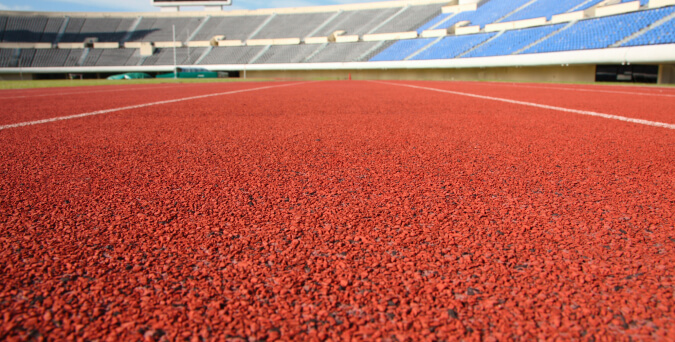
- Made from rubber granules bound with polyurethane
- Can be applied as spray-coated or prefabricated systems
- Textured surface for improved traction
Advantages
- Good balance between performance and cost
- Comfortable running experience
- Resistant to weather and UV exposure
- Suitable for both training and competition
Usage Areas
- Municipal sports complexes
- School and university tracks
- Regional competition venues
At Avind, tartan athletics track systems are frequently preferred for projects seeking professional quality without the cost of a full PU system.
3. Sandwich System Athletics Track
The sandwich system athletics track is one of the most popular solutions for multi-purpose and community-based projects.
Key Characteristics
- Multi-layer structure
- Elastic base layer (SBR rubber)
- Top layer of EPDM granules with PU coating
Advantages
- Cost-effective compared to full PU systems
- Strong durability and flexibility
- Comfortable surface for both athletes and students
- Lower maintenance requirements
Usage Areas
- School athletics tracks
- University campuses
- Local sports facilities
The sandwich system athletics track is especially suitable where moderate-to-high usage is expected but budget optimization is important. It offers a long service life when installed correctly.
4. Spray-Coat Athletics Track Surface
The spray-coat system is a practical and economical option in athletics track construction, particularly for entry-level projects.
Key Characteristics
- SBR rubber base layer
- PU spray coating with fine EPDM granules
- Thin top layer
Advantages
- Lower initial investment
- Faster installation process
- Acceptable performance for training purposes
Limitations
- Shorter lifespan compared to other systems
- Less resistance to heavy spikes and intensive use
Usage Areas
- Training tracks
- School facilities
- Recreational sports areas
Spray-coat systems are ideal when budget constraints are significant and professional competition standards are not required.
Comparing the 4 Athletics Track Surface Types
| Surface Type | Performance Level | Durability | Cost Level | Ideal Use |
|---|---|---|---|---|
| Full PU | Very High | Very High | High | International competitions |
| Tartan | High | High | Medium-High | Professional & municipal |
| Sandwich System | Medium-High | High | Medium | Schools & universities |
| Spray-Coat | Medium | Medium | Low | Training & recreational |
This comparison highlights why there is no single “best” surface—only the most suitable one for each project.

Factors to Consider Before Choosing an Athletics Track Surface
When planning an athletics track construction project, consider the following:
- Usage intensity: Daily training vs. occasional use
- User profile: Professional athletes or students
- Climate conditions: Temperature variation, rainfall, UV exposure
- Budget and lifecycle cost: Initial investment vs. long-term maintenance
At Avind, we analyze all these factors to recommend the most efficient surface system for each client.
Avind’s Approach to Athletics Track Construction
Avind delivers complete athletics track solutions—from surface selection to application—using high-quality materials and proven installation techniques.
Our key principles include:
- Compliance with international athletics standards
- Use of certified raw materials
- Long-term durability and safety
- Project-specific system design
Whether the project requires a tartan athletics track, a sandwich system athletics track, or a full PU solution, Avind ensures consistent performance and visual quality.
Choosing the Right Surface
Understanding the 4 types of surfaces used in athletics track construction allows investors, municipalities, and facility managers to make informed decisions. Each system serves a different purpose, budget level, and usage scenario.
By selecting the right surface and working with an experienced brand like Avind, athletics track projects can achieve:
- Better athlete performance
- Reduced injury risks
- Longer service life
- Lower maintenance costs
A well-designed athletics track is not just a sports surface—it is a long-term investment in performance, safety, and sustainability
Avind News
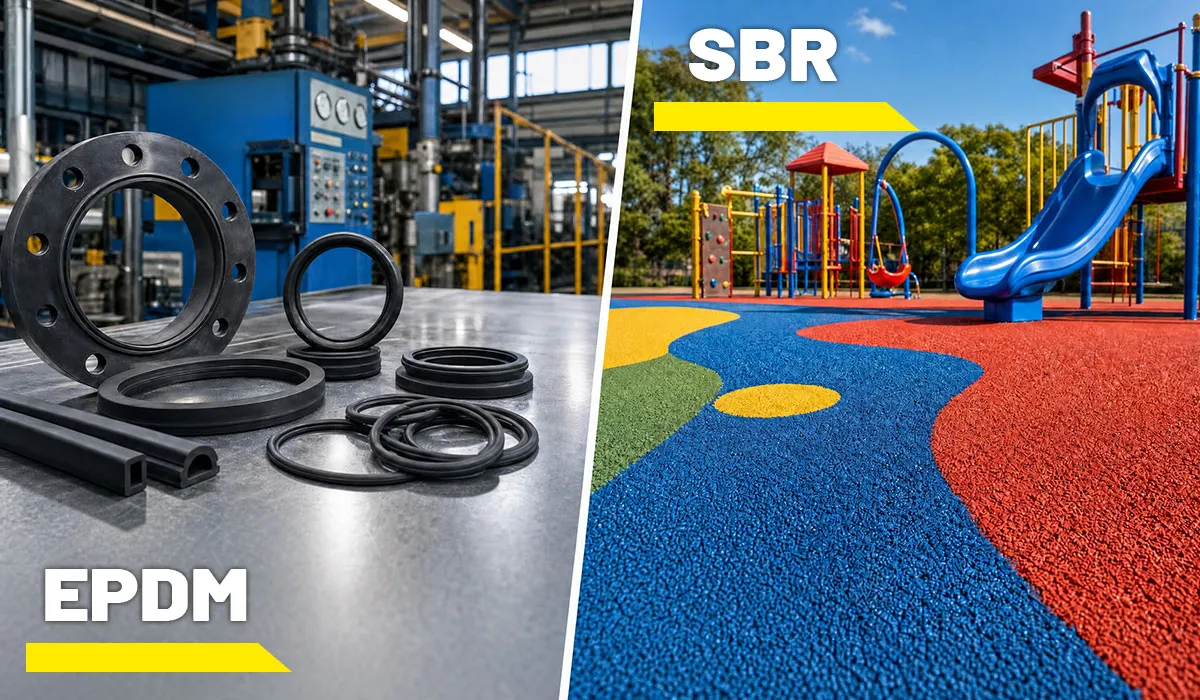
SBR and EPDM look alike in a bucket but behave very differently on site. This guide compares durability, UV resistance, colour retention and cost so you can specify the right rubber granule for your sports facility.
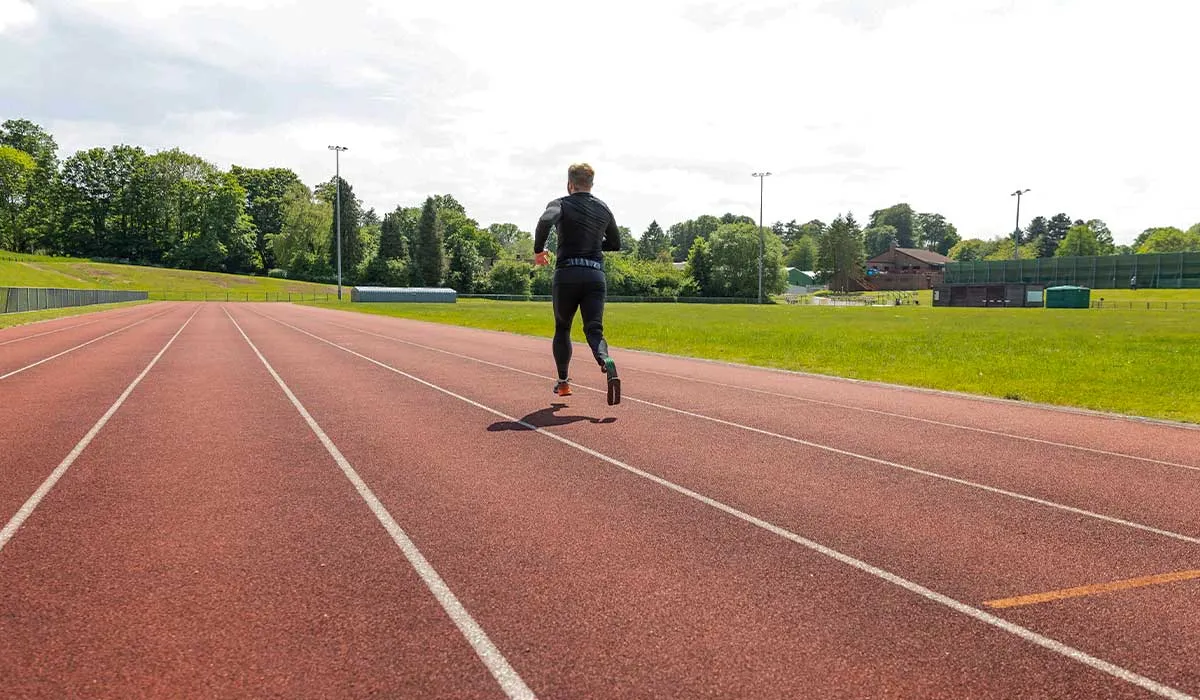
Modern athletics track projects are no longer just about marking lanes on a flat surface. Performance, athlete safety, durability, and long-term maintenance costs all depend on choosing the right surface system. For this reason, athletics track construction requires both technical knowledge and a clear understanding of different track surface technologies.
When it comes to designing and building tennis courts, enthusiasts and professionals alike have a wide array of options to choose from. One of the most beloved surfaces among top-tier players is the clay tennis court, known for its unique playing conditions. If you're considering constructing a clay tennis court, whether for a personal project or as part of a larger sporting facility, this guide will take you through everything you need to know.

Integral Group® has taken the decision to collaborate with former Malian National Team Football Player Samba Sow by signing a brand ambassadorship agreement.